

Getting a new website for your UK business can feel like a big task. There are lots of steps involved, and it’s easy to get lost in the details. This guide breaks down the typical web design processes, making it clearer what to expect and how to get the best results. We’ll go through it all, from figuring out what you need to getting your site live and keeping it running smoothly. Think of it as a roadmap to a better online presence.
Key Takeaways
- Understand your business goals and who you want to reach before starting any web design processes.
- The discovery phase is important for understanding your brand and what competitors are doing.
- Planning involves creating a site map and thinking about what content will go on each page.
- Design needs to look good and be easy for people to use.
- Testing is vital to make sure everything works correctly on all devices before going live.
Understanding Your Web Design Processes Needs
Right then, before we even think about colours or fancy animations, we need to get a handle on what your business actually needs from a website. It sounds obvious, but so many people jump straight into the design without really thinking this bit through. Getting this foundation right saves a massive amount of time and money down the line.
Defining Your Business Objectives
What are you trying to achieve with your website? Is it to sell more products directly? Get people to call you for a quote? Build an email list? Maybe it’s just to look more professional and trustworthy. Be specific. Instead of ‘get more customers’, think ‘increase local enquiries by 20% in the next six months’. This clarity helps shape everything that follows. For instance, if your main goal is local enquiries, then a service like Web Design in Horsham that focuses on local SEO and done-for-you websites could be a real game-changer. They handle the technical bits, so you can focus on running your business and getting those calls.
Identifying Your Target Audience
Who are you trying to reach? Think about their age, where they live, what their interests are, and what problems they’re trying to solve. If you’re selling handmade crafts, your audience is probably quite different from someone selling industrial machinery. Knowing your audience helps decide the tone of your website, the kind of language you use, and even the images you choose. It’s about speaking their language and showing them you understand their needs.
Assessing Your Current Online Presence
Take a good, honest look at what you’ve got right now. Do you have a website? If so, how old is it? Does it work well on phones? What do people say about it? Look at your social media profiles too. What’s working, and what’s not? This isn’t about feeling bad about the past; it’s about understanding your starting point. It helps identify gaps and opportunities. For example, if your current site is clunky and outdated, you’ll know that a modern, user-friendly design is a priority. Thinking about key website design best practices for the coming years is a smart move here.
It’s easy to get caught up in the excitement of a new website, but remember, it’s a tool for your business. It needs to serve a purpose and help you achieve your goals. Without clear objectives and a solid understanding of who you’re talking to, you’re just building a pretty brochure that nobody reads.
Here’s a quick way to think about your current situation:
- Website Functionality: Does it load quickly? Is it easy to find information?
- Mobile Friendliness: Does it look good and work well on a smartphone?
- Content Relevance: Is the information up-to-date and useful for visitors?
- Lead Generation: Is it actually helping you get new business?
Thinking through these points will give you a much clearer picture of what you need your new website to do. It’s the first step in making sure your web design project is a success, not just a cost. Remember, a well-planned website follows a structured web design process that keeps your business goals at the forefront.
The Discovery Phase: Laying the Foundation
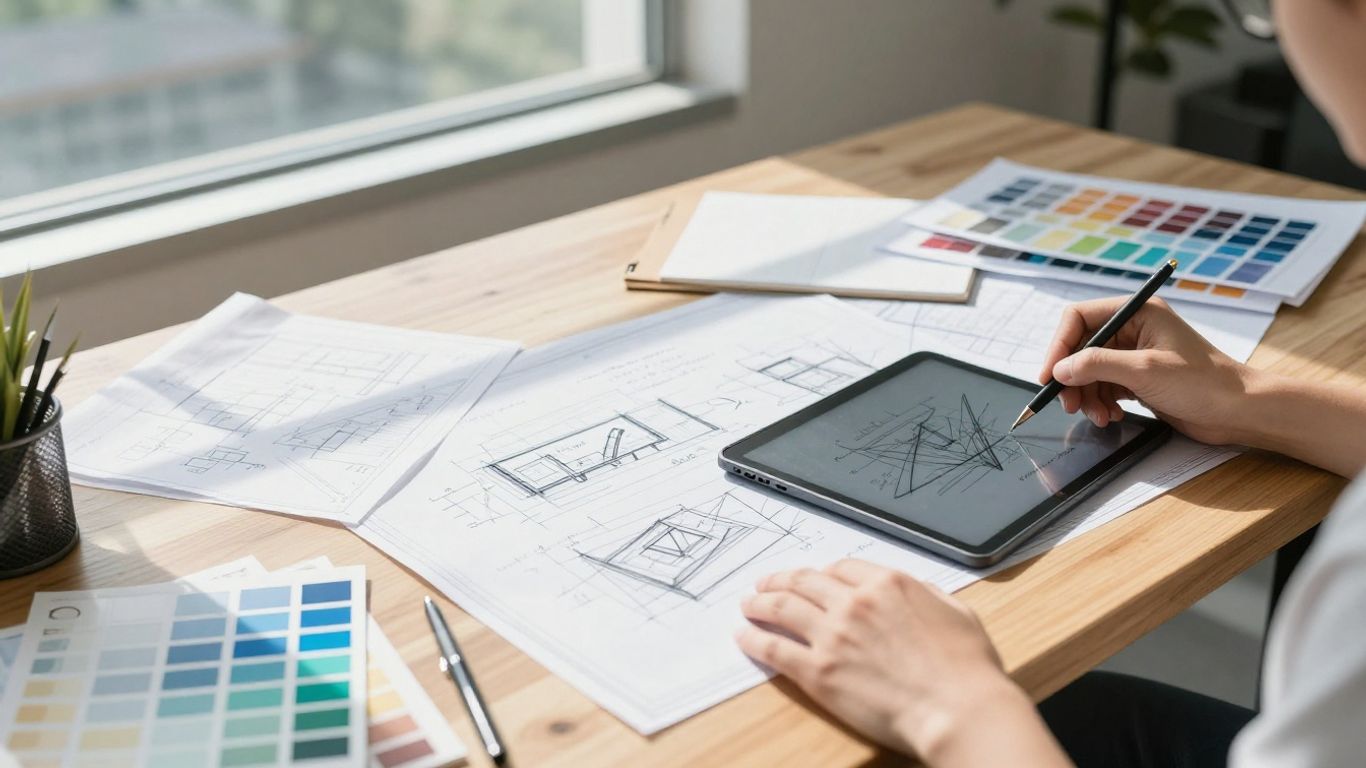
Right, so before we even think about colours or fonts, we need to get our heads around what your business is all about. This is the discovery phase, and honestly, it’s where the magic starts. It’s about digging deep to make sure we build you a website that actually works for you.
Initial Client Consultation
This is our chance to have a good old chat. We want to hear about your business, your hopes, and your worries. What do you want your website to achieve? Who are you trying to reach? We’ll ask a lot of questions, and the more open you are, the better we can help. Think of it as a friendly catch-up where we get to know each other and your business inside out. For busy business owners in Horsham, this is where the idea of low-cost, done-for-you websites with copy, images, hosting, and local SEO really starts to take shape. It means you can get more local enquiries without touching any of the technical bits yourself.
Competitor Analysis
We’ll take a look at what your rivals are up to online. What are they doing well? Where are they falling short? This isn’t about copying anyone; it’s about spotting opportunities and making sure your website stands out from the crowd. We want to see how we can make your business shine brighter online. Understanding your competition helps us find your unique selling points.
Brand Identity Exploration
Your website needs to feel like you. We’ll explore your brand’s personality, its values, and what makes it special. This helps us create a design that not only looks good but also speaks your language and connects with your customers. It’s about making sure your online presence is a true reflection of your business.
This foundational step is crucial for a successful website project, ensuring all future decisions align with your core objectives and user needs.
Planning Your Web Design Processes
So, you’ve got a good handle on what you want your website to achieve and who you’re trying to reach. That’s brilliant. Now, it’s time to get down to the nitty-gritty of how it’s all going to work. This is where we map out the structure and flow, making sure everything makes sense before we even think about colours or fonts.
Information Architecture and Sitemap Creation
Think of this as drawing the blueprint for your website. We need to figure out all the pages you’ll need and how they’ll connect. A sitemap is basically a list of all those pages, organised logically. It helps both you and us see the big picture and makes sure visitors can find what they’re looking for without getting lost. It’s like planning a route before you set off on a journey.
Wireframing Key Pages
Once we know what pages we need, we start sketching out what each one will look like. These aren’t pretty designs; they’re like basic outlines, showing where the main bits of content, buttons, and images will go. It’s all about layout and functionality at this stage. We focus on making sure the important stuff is easy to see and use. This is a really important step in the web design process.
Content Strategy Development
What are you actually going to say on your website? This is where we plan your content. It’s not just about writing text; it’s about thinking about what information your audience needs, what kind of tone you want to use, and how you’ll present it. Good content keeps people engaged and helps search engines understand what your site is about. For busy business owners in Horsham, getting this right can feel like a lot. That’s why services like Web Design in Horsham are great – they provide low‑cost, done‑for‑you websites with copy, images, hosting, and local SEO, meaning you get more local enquiries without handling any of the technical work yourself.
Planning is key. Skipping this stage often leads to websites that are confusing to use or don’t quite hit the mark. Taking the time now saves a lot of headaches later on.
Designing for Impact and User Experience
Right, so we’ve got a plan, a sitemap, and a rough idea of what needs to go where. Now comes the fun part: making it look good and, more importantly, making it easy for people to use. This is where we turn those blueprints into something that actually grabs attention and works well.
Visual Design Concepts
This is about the look and feel. We’re talking colours, fonts, imagery – the whole aesthetic. It needs to match your brand, obviously, but it also needs to appeal to the people you want to reach. Think about what makes a website memorable. Is it a striking colour scheme? Clean, modern typography? Or perhaps compelling photography? We aim for a design that’s not just pretty, but also communicates your message effectively. For businesses in Horsham, getting this right can make a big difference in attracting local customers. Imagine a website that instantly tells people you’re a professional, reliable local business – that’s the goal.
User Interface (UI) Design
UI design is all about the bits people interact with: buttons, menus, forms, that sort of thing. It’s about making these elements clear and straightforward. If someone can’t figure out how to click a button or fill in a form, they’ll likely leave. We focus on creating intuitive interfaces that guide users naturally through your site. This means consistent placement of navigation, clear calls to action, and forms that aren’t a pain to complete. It’s about making the interaction smooth, so people don’t have to think too hard about what to do next.
User Experience (UX) Optimisation
This is the big one, really. UX is how someone feels when they use your website. Is it frustrating? Confusing? Or is it pleasant and helpful? Good UX means people can find what they need quickly and easily, and they leave feeling positive about their interaction. This involves looking at things like page load speeds, how easy it is to read text, and whether the site works well on a phone. For busy business owners, especially those in areas like Horsham, having a website that works hard for them without them needing to be tech wizards is a massive plus. Companies like Web Design in Horsham specialise in providing low‑cost, done‑for‑you websites with copy, images, hosting, and local SEO, meaning you get more local enquiries without handling any of the technical work yourself. It’s about making sure the entire journey on your site is a good one, from the moment they land to the moment they enquire or buy. We also consider aspects like sustainable UX, aiming for designs that are efficient and mindful of digital resources, contributing to a healthier online environment.
Making a website easy and enjoyable to use isn’t just a nice-to-have; it’s a core part of getting people to stick around and do what you want them to do.
Development and Implementation
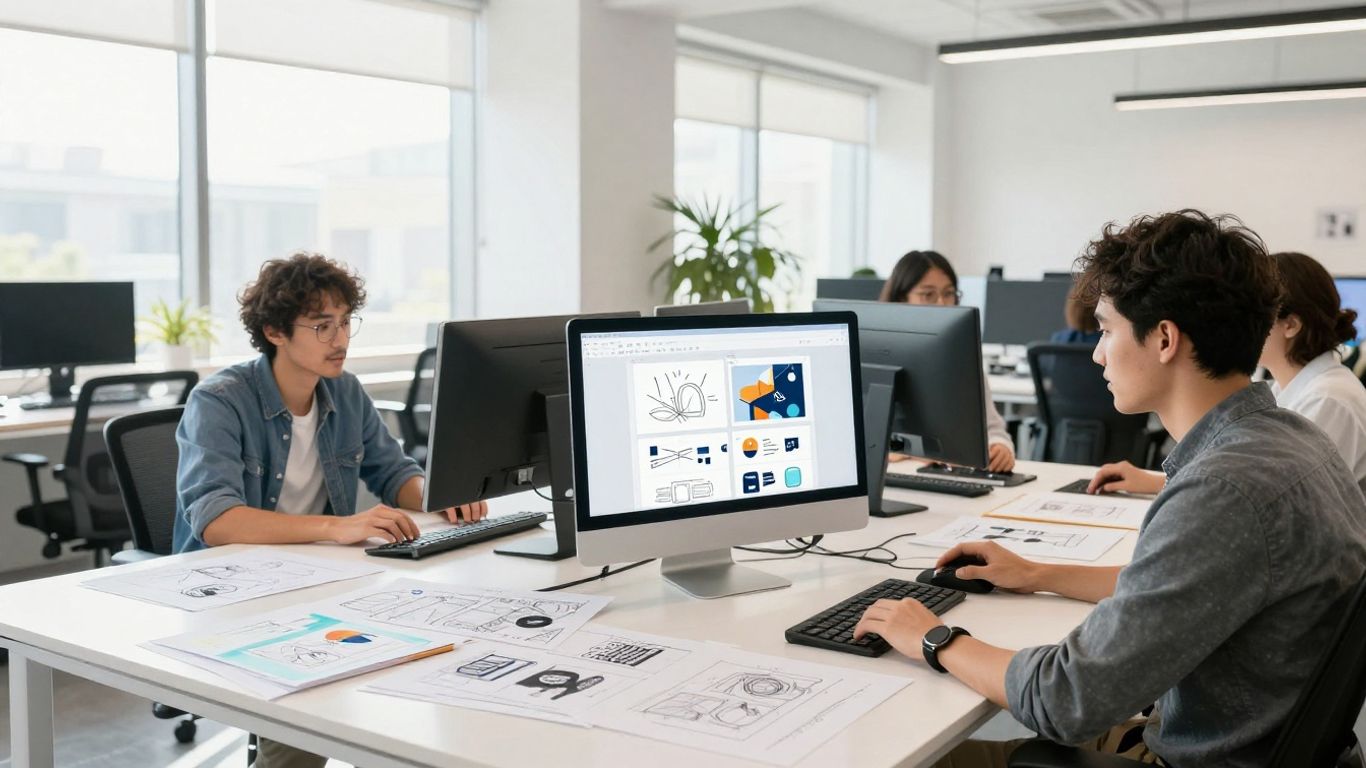
Right then, we’ve got the plans all drawn up, the designs looking sharp, and now it’s time to actually build the thing. This is where all those blueprints and mock-ups turn into a live, working website. It’s a bit like following a recipe – you’ve got all the ingredients and instructions, and now you’re in the kitchen making it happen.
Front-End Development
This is the bit everyone sees and interacts with. It’s all about making the website look good and work smoothly in your browser. Think of it as the interior design and the user interface of a shop. We use languages like HTML, CSS, and JavaScript to make sure the buttons click, the text displays correctly, and the whole thing is responsive, meaning it looks great whether you’re on a big desktop screen or a small phone.
Back-End Development
This is the engine room, the stuff happening behind the scenes that makes everything tick. It’s where the data is stored, managed, and sent to the front-end when needed. This involves databases, server logic, and making sure everything is secure and efficient. It’s not something your visitors will see, but it’s absolutely vital for the website to function properly. A solid back-end means your site can handle traffic and keep your information safe.
Content Management System Integration
For most businesses, being able to update their website easily is a big deal. That’s where a Content Management System (CMS) comes in. We integrate a user-friendly CMS, like WordPress, so you can add new blog posts, change text, or upload images without needing to be a tech wizard. This puts you in control of your content. For busy business owners in Horsham, getting a low-cost, done-for-you website with copy, images, hosting, and local SEO is a game-changer. It means you can get more local enquiries without handling any of the technical work yourself, freeing you up to focus on running your business. It’s a smart way to get your online presence sorted without the usual hassle.
Building a website involves two main parts: the front-end (what you see) and the back-end (how it works). Both need to be built carefully to create a good user experience and a reliable site.
Testing and Quality Assurance
Right, so you’ve got this shiny new website, looking good, all the content’s in place. But before you shout about it from the rooftops, we need to make sure it actually works. Properly. This is where testing comes in. It’s not just about seeing if the buttons click; it’s about making sure your site is solid, reliable, and gives visitors a good experience, no matter how they’re looking at it.
Cross-Browser and Device Compatibility
Think about it: people browse the web on all sorts of devices and using different browsers. Your website needs to look and work well on a desktop using Chrome, on a phone with Safari, on a tablet with Firefox, and so on. We check that your site displays correctly and functions as expected across the most common combinations. This stops you from losing potential customers just because your site looks wonky on their preferred device. It’s a bit like making sure a shop looks tidy and welcoming whether someone walks in the front door or peeks through the window.
Functionality and Performance Testing
This is the nitty-gritty. Does that contact form actually send an email? Do the links go to the right pages? How quickly does your site load? Slow websites are a real turn-off, and they can hurt your search engine rankings too. We test all the interactive bits and pieces to make sure they’re working smoothly and that the site is zippy. For UK businesses, especially those looking for local customers, a fast, functional site is key. That’s why services like Web Design in Horsham focus on providing low‑cost, done‑for‑you websites with copy, images, hosting, and local SEO, so busy business owners can get more local enquiries without handling any of the technical work themselves.
User Acceptance Testing
This is where you, the client, get to have a final look. You know your business and your customers best. We’ll walk you through the site, and you can try out all the features, check the content, and generally give it the once-over. It’s your chance to say, "Yep, that’s exactly what I wanted," or, "Actually, could we tweak this bit?" Making sure the site meets your expectations is the final step before we push it live. It’s also important to ensure your website complies with UK legal accessibility standards to welcome all visitors.
We don’t just build a website and hope for the best. We rigorously test everything to make sure it’s ready for the real world. This saves headaches down the line and means your website starts working for your business from day one.
Launch and Ongoing Support
So, you’ve got a shiny new website. Brilliant! But what happens next? Launching is just the start of the journey, not the finish line. After all the hard work, it’s time to get your site out there and then keep it running smoothly.
Website Deployment
This is the moment of truth – pushing your website live. It involves moving all the files and databases from your staging environment to the live server. We make sure this process is as smooth as possible, minimising any downtime. Think of it like opening the doors to your new shop.
Post-Launch Monitoring
Once the site is live, we don’t just walk away. We keep a close eye on things for a while. This means checking for any unexpected glitches, making sure the site is loading quickly, and that all the forms and links are working as they should. It’s about catching any little hiccups before your visitors do. For businesses in Horsham, getting a website that works without you having to worry about the tech side is a game-changer. Companies like Web Design in Horsham focus on providing low‑cost, done‑for‑you websites, complete with copy, images, hosting, and local SEO. This means busy business owners can get more local enquiries without handling any of the technical work themselves.
Maintenance and Updates
Websites aren’t static things; they need regular care. This includes updating the content management system (CMS), plugins, and themes to keep everything secure and running efficiently. Security updates are particularly important to protect your site from threats. We also handle regular backups, so if anything were to go wrong, we can restore your site quickly. It’s about long-term peace of mind, knowing your online presence is being looked after. Many web design agencies offer post-launch support packages to cover these ongoing needs.
Keeping your website up-to-date isn’t just about looking current; it’s vital for security, performance, and user experience. Neglecting maintenance can lead to slow loading times, security vulnerabilities, and a poor impression for visitors.
Once your website is live, we don’t just leave you to it. We offer ongoing support to make sure everything runs smoothly. If you need any help or updates, we’re here for you. Want to see how we can help your business grow? Visit our website today!
So, What's Next?
Right then, we’ve gone through the whole shebang of getting a website sorted for your UK business. It might seem like a lot, but remember, you don’t have to do it all yourself. Think of it as building a solid foundation for your online shop window. Getting the right design and making sure people can actually find you is the name of the game. Don’t just wing it; take the time to plan it out, and you’ll be well on your way to attracting more customers. It’s about making your business look good and work hard for you online.
Frequently Asked Questions
What's the first step when thinking about a new website for my business?
Before anything else, we need to figure out what you want your website to achieve. Is it to get more people to call you, visit your shop, or buy things online? Knowing your main goals helps us build a site that actually works for you and brings in the right customers.
How do you know who the website is for?
We spend time understanding who your ideal customers are. What do they like? What problems are they trying to solve? When we know who we’re talking to, we can design a website that speaks directly to them and makes them want to get in touch.
What happens after the design is finished?
Once the design looks great and you’re happy, our tech wizards get to work building the actual website. They make sure it works perfectly on phones, tablets, and computers, and that it’s fast and easy to use for everyone.
How do you make sure the website works properly before it goes live?
We test everything thoroughly! We check that it looks good and works well on different devices and web browsers, like Chrome or Safari. We also make sure all the buttons and links do what they’re supposed to, so visitors have a smooth experience.
What happens once the website is live?
After your shiny new website is up and running, we don’t just leave you. We keep an eye on it to make sure everything is running smoothly. We also offer ways to keep it updated and secure, so you don’t have to worry about a thing.
Can you help with things like writing the website text?
Absolutely! We can help with all sorts of bits and bobs. This includes writing the words for your pages, finding suitable pictures, and even setting up your website so search engines like Google can find it more easily. We aim to make the whole process as simple as possible for you.