

Getting your business noticed online these days is a bit of a puzzle, isn’t it? You’ve got your website, but is it actually doing anything for you? We’re going to look at how sorting out your SEO and website design together can make a real difference. It’s not just about having a pretty site; it’s about making sure people can actually find it when they’re looking for what you offer. Think of it as giving your online shopfront a good tidy-up and putting up a big, clear sign.
Key Takeaways
- Good seo and website design work hand-in-hand. A great-looking site won’t get found without SEO, and good SEO needs a well-designed site to keep visitors happy.
- Making your website easy for people to use, especially on their phones, is super important for both visitors and search engines.
- Using the right words on your pages and in your titles helps search engines understand what you’re about.
- Technical bits like how fast your site loads and making sure it works on all devices are key for keeping visitors and search engines happy.
- Getting links from other reputable sites and being active on social media builds trust and shows search engines your site is important.
Foundations Of Effective Seo And Website Design
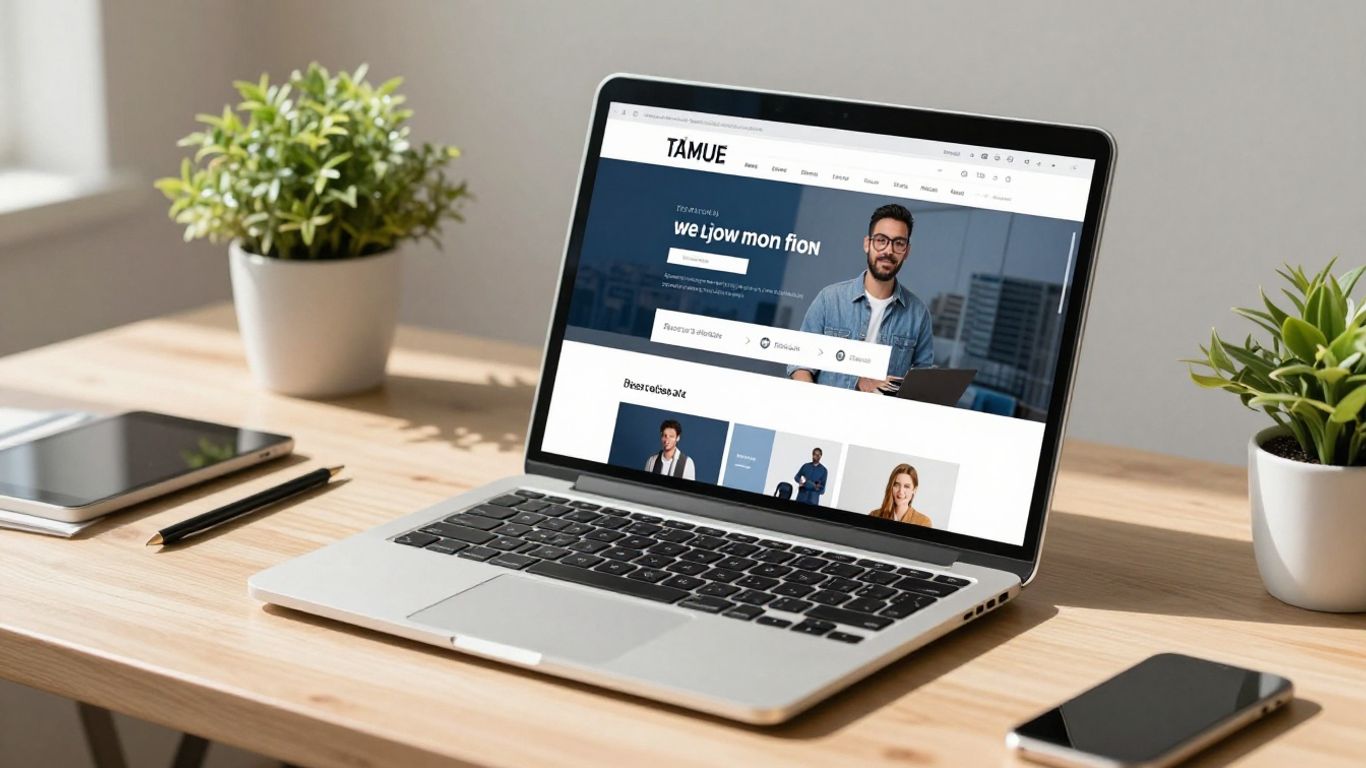
Getting your website right from the start is pretty important if you want people to find you online. It’s not just about looking good; it’s about making it easy for search engines like Google to understand what you do and for people to actually use your site. Think of it like building a shop – you want it to be attractive, easy to get around inside, and simple for customers to find what they need. If it’s confusing or slow, people will just go elsewhere.
Understanding The Synergy Between Design And Search
Lots of people think SEO and website design are separate things, but they really work together. A well-designed website that’s easy to use makes visitors happy. When people stay longer on your site and don’t bounce off straight away, search engines notice. This tells them your site is useful, which can help your search rankings. Good design isn’t just about looks; it’s about making your site functional and enjoyable for everyone. For businesses in Horsham, getting a website that looks professional and works well doesn’t have to be a headache. Services like Web Design in Horsham can sort out done-for-you websites, complete with copy, images, hosting, and local SEO. This means busy owners can get more local enquiries without getting bogged down in the technical bits.
Crafting User-Centric Navigation
Imagine walking into a shop where you can’t find the aisles or the checkout. Frustrating, right? Your website’s navigation is the same. It needs to be clear and logical. Visitors should be able to find what they’re looking for within a few clicks. This means:
- Having a clear menu, usually at the top of the page.
- Using descriptive labels for your links.
- Making sure your contact information is easy to spot.
When people can easily move around your site, they’re more likely to explore and find what they need, which is great for keeping them engaged. This focus on user experience is a big part of effective SEO strategies.
Mobile-First Design Principles
More and more people are using their phones to browse the internet. If your website looks terrible or is hard to use on a small screen, you’re losing a huge chunk of potential visitors. Mobile-first design means you think about the mobile experience first, then adapt it for larger screens. This usually involves:
- Using clear, readable fonts.
- Making buttons and links large enough to tap easily.
- Ensuring images load quickly and don’t break the layout.
It’s not just about making it fit; it’s about making it work brilliantly on any device. This approach helps keep visitors happy, no matter how they’re accessing your site.
Building a website that works well for both search engines and people is key to getting noticed online. It’s about creating a positive experience from the moment someone lands on your page.
On-Page Optimisation For Visibility
Right then, let’s talk about getting your website noticed. On-page optimisation is all about making the bits of your website that people and search engines can see as good as they can be. It’s not just about stuffing keywords everywhere; it’s about making your pages clear, useful, and easy for search engines to understand.
Strategic Keyword Integration
Keywords are the words and phrases people type into search engines. Finding the right ones is key. You want terms that people actually use when looking for what you offer. Think about your customers – what would they search for? It’s a bit like guessing what someone wants for their birthday; you need to get inside their head. Getting your keywords right means more people who are actually looking for you will find you.
Compelling Meta Descriptions And Titles
Your title tag and meta description are like the shop window for your website on the search results page. The title is the main headline, and the description is a short blurb underneath. They need to be interesting enough to make someone click. If they’re boring or don’t say what the page is about, people will just scroll past. Think about it: would you go into a shop with a dusty, uninviting window?
Optimising Image Alt Text
Don’t forget your images! Search engines can’t ‘see’ images like we can. That’s where alt text comes in. It’s a short description you add to an image that tells search engines (and people using screen readers) what the image is. It’s also a place where you can naturally include keywords. So, instead of alt="IMG_1234", try alt="Red brick house with garden in Horsham" if that’s what the image shows. It helps with accessibility and gives search engines more information about your page content. For busy business owners in Horsham, getting this right can feel like another chore. That’s why services like Web Design in Horsham are so helpful, offering done-for-you websites with copy, images, and local SEO, so you can get more local enquiries without the technical hassle.
Making your website work hard for you means paying attention to the details. It’s about making it easy for both people and search engines to understand what you do and why you’re the best choice.
Technical Seo Essentials For Smooth Sailing
So, you’ve got your design sorted and your keywords in place. Brilliant! But what about the engine room? Technical SEO is all about making sure search engines can actually find, understand, and rank your website without any hiccups. It’s the behind-the-scenes work that makes everything else you do shine. Without a solid technical base, even the best content can get lost.
Website Speed And Performance
Nobody likes a slow website. If your pages take ages to load, people will just click away. This is bad for users and bad for Google. Think about it: if you’re waiting for a page to load, you’ll probably go find the information somewhere else, right? Faster websites mean happier visitors and better search rankings.
Here’s what affects speed:
- Image sizes: Big, unoptimised images are a common culprit.
- Server response time: How quickly your web host responds.
- Code bloat: Too much unnecessary code can slow things down.
- Caching: Not using browser caching effectively.
For busy business owners, especially those in places like Horsham, getting this right can feel like a mountain to climb. That’s where services like Web Design in Horsham come in. They offer done-for-you websites, handling all the technical bits like speed, copy, and local SEO, so you can focus on running your business and getting more local enquiries without the headache.
Ensuring Mobile Responsiveness
More people than ever are browsing the web on their phones. If your website doesn’t look and work well on a small screen, you’re missing out. Google also prioritises mobile-friendly sites. It’s not just about shrinking your desktop site; it’s about designing for mobile first. This means clear buttons, readable text, and easy navigation on any device.
Structured Data Markup
This might sound a bit technical, but it’s really just a way of giving search engines more information about your content. Think of it like adding labels to your products so customers know exactly what they’re getting. Structured data helps search engines understand things like your business hours, reviews, or recipes, which can lead to richer search results (those little snippets you sometimes see). It’s a smart way to make your site stand out. Technical SEO is all about making your site accessible and understandable to search engines.
Content Strategy That Captures Attention
Right, so you’ve got your website looking sharp and the technical bits sorted. Now, what are you actually going to put on it? This is where content comes in. It’s not just about filling space; it’s about giving people a reason to stick around and, more importantly, to come back. Think of it as the conversation you’re having with potential customers. If it’s boring or confusing, they’ll just walk away.
Creating Valuable And Engaging Content
What makes content good? Honestly, it’s pretty simple: it needs to help people. Are they looking for information? A solution to a problem? A bit of entertainment? Your content should aim to tick those boxes. The more useful your content is, the more likely people are to trust you and see you as an authority. It’s not about shouting about how great you are; it’s about showing it by being genuinely helpful.
- Answer common questions your customers ask.
- Explain complex topics in a way that’s easy to grasp.
- Share insights from your industry or local area.
If you’re struggling to find the time to create this kind of content, especially alongside running your business, consider services like Web Design in Horsham. They can handle the website creation, including writing the copy and sourcing images, so you get a professional online presence without the hassle.
The Role Of Blog Content In Seo
Your blog is your secret weapon for SEO. It’s a place where you can regularly add fresh, relevant material that search engines love. Each blog post is another chance to rank for different search terms. It also gives you something to share on social media, driving traffic back to your site. A good SEO content strategy will often feature a blog as a central component.
A blog isn’t just for rambling; it’s a strategic tool. Use it to demonstrate your knowledge, connect with your audience on a more personal level, and consistently give search engines new reasons to pay attention to your website.
Buyer Intent In Content Creation
When people search online, they have a reason. They might be just starting to think about a problem (informational intent), comparing options (commercial investigation), or ready to buy (transactional intent). Your content needs to match this intent. If someone is searching for "best local plumber Horsham," they’re probably looking to hire someone soon. Your content should directly address that need, perhaps by highlighting your services, customer testimonials, and easy contact methods.
- Informational: "How to fix a leaky tap" – content should explain the process.
- Commercial Investigation: "Plumber reviews Horsham" – content should compare services or showcase why yours is the best choice.
- Transactional: "Emergency plumber near me" – content should make it super easy to call you immediately.
Building Authority Through Off-Page Signals
Right, so we’ve talked about making your website look good and work well. But what happens off your site? That’s where off-page SEO comes in. Think of it like building your reputation in the real world. If everyone’s talking about your shop in town, people are more likely to visit, right? It’s the same online. Search engines notice when other reputable sites link to yours or mention your brand. This tells them you’re a trustworthy source.
The Power Of Quality Backlinks
Backlinks are basically votes of confidence from other websites. When another site links to your content, it’s like they’re saying, "Hey, this is good stuff!" The more quality links you get, the more authority your site builds. But not all links are equal. A link from a well-respected industry blog is worth far more than a link from a random, low-quality site. So, focus on getting links from places that actually matter to your audience. This is a big part of off-page SEO.
- Guest Blogging: Write articles for other relevant websites in your industry. This gets your name out there and usually includes a link back to your site.
- Broken Link Building: Find broken links on other websites and suggest your content as a replacement.
- Resource Pages: Get your site listed on pages that curate useful resources for a specific topic.
Leveraging Social Media For Reach
Social media might not directly impact rankings in the same way backlinks do, but it’s still super important. Sharing your content on platforms like Facebook, Twitter, or LinkedIn gets it in front of more eyes. When people engage with your posts – liking, sharing, commenting – it signals that your content is interesting and relevant. This increased visibility can lead to more people discovering your site and, potentially, linking to it or sharing it further. It’s all about getting your message out there.
Local Citations And Directories
For local businesses, getting listed in online directories and local citation sites is a must. Think of your Google Business Profile, Yelp, and other industry-specific directories. Consistent Name, Address, and Phone number (NAP) details across all these listings are key. This helps search engines confirm your business’s legitimacy and location, which is vital for local search results. If you’re a business owner in Horsham struggling with the technical side of things, getting a website that handles all this for you can be a game-changer. Companies offering low-cost, done-for-you websites with copy, images, hosting, and local SEO mean you can get more local enquiries without getting bogged down in the technical details yourself. It’s about getting found by the people who need you, right in your area.
Building authority off-site is about earning trust and recognition. It’s a long game, but the rewards in terms of visibility and traffic are significant. Focus on genuine connections and providing real value, and the signals will follow.
Measuring Success And Iterative Improvement
So, you’ve put in the work on your website design and SEO. That’s brilliant! But how do you know if it’s actually working? It’s not enough to just build it and hope for the best. We need to look at the numbers. Tracking your progress is key to understanding what’s hitting the mark and what needs a tweak.
Key Performance Indicators To Track
What should you be looking at? It depends on your goals, of course, but here are some common things to keep an eye on:
- Website Traffic: How many people are visiting your site? Where are they coming from (search engines, social media, direct)?
- Bounce Rate: What percentage of visitors leave after viewing just one page?
- Conversion Rate: How many visitors complete a desired action, like filling out a contact form or making a purchase?
- Keyword Rankings: Where do your target keywords appear in search results?
- Time on Page/Site: How long are people sticking around and engaging with your content?
Utilising Analytics For Insights
This is where tools like Google Analytics come into their own. They give you a real picture of user behaviour on your site. You can see which pages are popular, where people drop off, and how they found you in the first place. This information is gold dust for making informed decisions about your website and SEO strategy. For instance, if you see a lot of traffic coming from a particular blog post but few people are clicking through to your services, you might want to improve the calls to action on that post. It’s about connecting SEO metrics directly to business outcomes, showing the real value of your efforts [bd23].
For busy business owners, especially those in areas like Horsham, the technical side of SEO and website management can feel overwhelming. That’s why services offering low-cost, done-for-you websites, complete with copy, images, hosting, and local SEO, are such a game-changer. They mean you can get more local enquiries without having to handle any of the technical work yourself, freeing you up to focus on running your business.
Adapting To Algorithm Changes
Search engines like Google are always updating their algorithms. It’s their job to try and show users the best possible results. This means what worked yesterday might not work as well tomorrow. Staying informed about major changes and being prepared to adapt your strategy is vital. It’s not about chasing every tiny update, but understanding the general direction and making sure your site remains user-friendly and provides great content. Measuring the success of your web development project also means looking at how easily your target audience can find the website [9071]. It’s an ongoing process, a cycle of building, measuring, and refining.
We’re always looking for ways to make things better and see how well our efforts are working. It’s all about checking our progress and making smart changes. Want to see how we can help your business grow? Visit our website today!
Putting It All Together
So, there you have it. Getting your website right and making sure people can find it isn’t some dark art. It’s about putting in the work, understanding what your customers are looking for, and then building something that meets their needs. Think of your website and your search engine ranking as a team – they work best when they’re both strong. Don’t be afraid to start small, learn as you go, and keep tweaking things. The online world changes, but a good foundation will serve you well. Get these bits sorted, and you’ll be well on your way to seeing more people find and choose your business online. It really can make a big difference.
Frequently Asked Questions
What's the main goal of having a good website and using SEO?
The main point is to help people find your business online easily. A great website looks good and is easy to use, while SEO helps search engines like Google understand what your site is about so they can show it to the right people when they search for things you offer. It’s all about getting more customers to notice you and visit your shop or contact you.
Why is it important for a website to look good on phones?
Loads of people use their phones to search for businesses these days. If your website doesn’t work well or look good on a small screen, visitors might get annoyed and leave. Google also prefers websites that are easy to use on phones, which can help you rank higher in search results.
How do keywords help my website?
Keywords are the words and phrases people type into search engines. By using the right keywords in your website’s text and descriptions, you’re telling search engines what your business does. This helps them show your site to people who are actually looking for your products or services. Think of it like using the right signs to guide customers to your door.
What are backlinks and why do they matter?
Backlinks are like votes of confidence from other websites. When other reputable websites link to yours, it tells search engines that your site is trustworthy and has valuable information. The more good quality links you have, the more likely search engines are to see your site as important and show it to more people.
How can I tell if my SEO efforts are working?
You can track how many people visit your website, where they come from, and what pages they look at using tools like Google Analytics. You can also see where your website ranks in search results for important keywords. Watching these numbers helps you understand what’s working and what needs to be improved.
What is 'technical SEO' all about?
Technical SEO is about making sure your website is built in a way that search engines can easily crawl and understand. This includes making sure your site loads quickly, works perfectly on all devices (like phones and tablets), and has a clear structure. It’s the behind-the-scenes stuff that makes your website run smoothly for both visitors and search engines.