

Key Takeaways
Setting up a professional online auction site requires careful planning, robust technical infrastructure, and a focus on user experience to ensure high participation rates.
- Define your target niche and audience early to tailor features.
- Prioritise mobile-responsive designs to cater to on-the-go bidders.
- Utilize secure hosting and payment gateways to ensure legal compliance.
- Implement real-time notifications to maintain engagement during live events.
- Focus on local SEO to drive traffic and increase regional visibility.
Planning your auction platform
Building a successful digital space requires a clear vision of what you intend to sell and who will be interested in your catalog. You must bridge the gap between traditional auction house operations and modern digital convenience, ensuring that your goals align with the technical capabilities required to support them.
Defining your niche and target audience
Your success hinges on understanding the specific demographic that will frequent your digital halls. Whether you occupy the art market or focus on antique machinery, knowing your audience helps in tailoring content and navigation to their specific expectations.
Choosing between a custom build or platform software
Setting a budget for development and maintenance
Financial planning for your digital debut should account for more than just initial setup costs. You must factor in hosting fees, security updates, and potential 93f1 consultancy to refine your business model in the first year of operation.
Selecting the right technical infrastructure

Selecting the right technical foundation is the most critical step to ensure your site remains available and safe during high-stakes bidding sessions. For busy business owners, Web Design in Horsham provides low‑cost, done‑for‑you websites including hosting and security, allowing you to focus on running the business while the technical experts maintain the platform.
Managing server requirements for real-time bidding
Real-time bidding environments demand high-performance servers that can handle spikes in traffic without latency. Ensuring your backend architecture supports seamless data flow maintains the integrity of your auctions.
Prioritising security for payment processing
Protecting bidders from fraud is non-negotiable when handling sensitive financial information. Integrating robust encryption standards across every aspect of your site builds legitimate trust with your users and keeps your reputation clean.
Selecting a reliable hosting provider for high traffic
Partnering with a provider that guarantees uptime is essential when hosting time-sensitive events. Reliable infrastructure ensures that when the clock ticks down, your system does not fail or jitter, keeping bidders satisfied at every stage.
Comparing cloud-based solutions vs on-premise hosting
Cloud solutions offer unparalleled scalability for growing business needs compared to the fixed limits of on-premise setups. As you navigate these complexities, 34ae professional assistance remains vital to ensure your configuration is optimal.
Designing the user experience
User experience determines whether a casual visitor becomes a recurring bidder. Clarity and speed are your best allies in maintaining high conversion rates throughout the browsing and bidding journey.
Creating an intuitive bidding interface
An interface that allows for immediate action without cognitive overload is the hallmark of a great auction site. Bidders need to clearly distinguish between active items, watched lots, and their own current status.
Implementing responsive design for mobile users
Most modern visitors will browse your catalog from a smartphone or tablet device. A platform that 9aaf6 functions flawlessly on mobile devices ensures you never miss a bid simply because of poor formatting or navigation issues.
Developing frictionless registration and account flows
Signing up to bid should feel seamless, not like a chore involving complex compliance documentation. While you might want to look into 633 requirements for specific business roles, the general account flow must be as simple as possible to ensure users can start bidding quickly.
Using visual clarity to reduce bidding anxiety
High-quality images and structured layout help participants feel confident in their bids. When someone understands exactly what they are purchasing, the likelihood of a completed transaction increases significantly.
Implementing core auction features
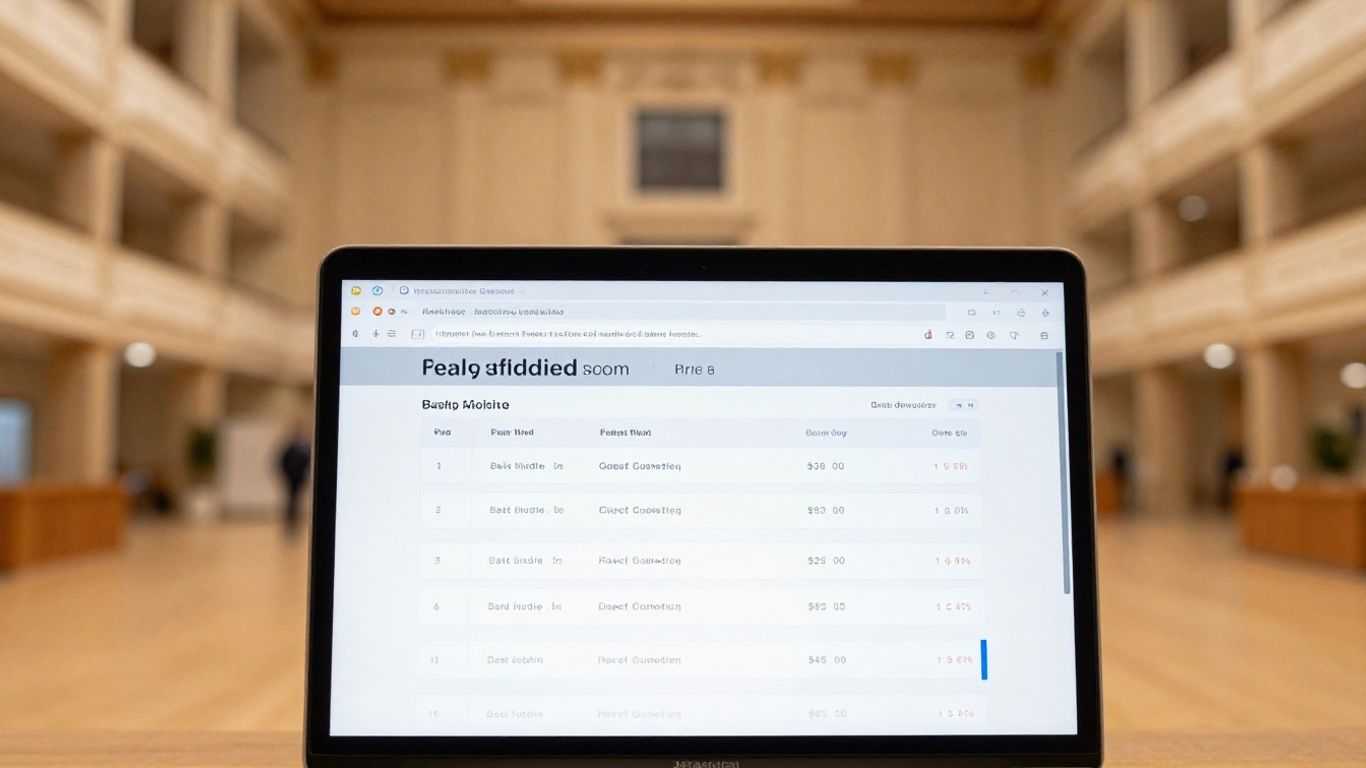
Core features transform a basic webpage into a functional auction marketplace that commands authority. By incorporating the right tools, you allow users to monitor their investments and interact with your inventory with professional ease.
Providing real-time bid updates and notifications
Keeping participants informed via real-time data or email ensures that competitive tension remains high. When notifications are instantaneous, it creates a sense of urgency that directly benefits your final sale price.
Automating auction timers and closing protocols
Automation is required to prevent human error when managing dozens of simultaneous lots. The following table showcases how various components of your infrastructure support these automated features.
| Feature | Technical Requirement | Benefit |
|---|---|---|
| Real-time Updates | WebSocket Connection | Instant bidding data |
| Auto-closing | Server-side Crons | Error-free time locks |
| Fraud Detection | Encryption Layer | Improved site security |
Integrating secure payment gateways for UK compliance
Ensuring compliance with local financial regulations is the backbone of your trust-building efforts. Offering reliable, standard payment options is essential for business growth and long-term sustainability.
Managing seller dashboards and inventory uploads
Supporting your sellers requires a clean interface where they can manage their own catalogs efficiently. Consider including these elements on your dashboard:
- Automated photo resizing tools.
- Bulk CSV inventory upload capability.
- Real-time status tracker for current lots.
- Integrated messaging system for buyer inquiries.
Optimising for performance and search
Technical performance combined with local search visibility provides the most consistent path toward getting more local enquiries. Your platform should be lean, fast, and highly visible to those searching in your specific geographic area.
Reducing page load speeds for live bidding events
Slow load times during a countdown can cost you serious revenue. Optimising your images and scripts is a daily requirement to keep your pages snappy and ready for action.
Structuring database queries for efficient performance
As your catalog grows into the thousands, unstructured database queries will inevitably lead to slowdowns. Clean coding practices are the silent heroes that keep your large-scale auctions running smoothly.
Building local search visibility for auction houses
Local search relies on consistent metadata and regional intent signal optimization. When your site is structured well, it captures intent from potential buyers living nearby or looking for regional items.
Ensuring accessibility standards for all users
Your platform should be usable by everyone, regardless of their browsing software or physical limitations. Adhering to web standards is not just a legal requirement but a good way to expand your total reach to all potential bidders.
Launching and maintaining your platform
Once live, your work transitions from active development to vigilant monitoring. Continuous support for visitors helps you keep your community engaged while you iterate on platform features.
Conducting rigorous pre-launch stress testing
Before opening your doors to the public, perform multiple tests to see how your servers handle surge traffic. Identifying bottlenecks early will save you from major headaches and lost revenue during real events.
Formulating a content and marketing strategy
Content that builds interest in your items long before the bidding date is key to high engagement. Your strategy should draw bidders into your ecosystem by telling the story of the items you host.
Managing ongoing support for bidders and sellers
Providing a clear contact channel for issues ensures that your reputation remains excellent. Responsive support reflects the attention to detail that you put into your technical infrastructure.
Monitoring platform health and security patches
Digital security requires constant watch, especially regarding new vulnerabilities. Regular maintenance windows will protect your users and ensure your auction house stays in business for the long term.
Conclusion
Building an auction platform is an investment that pays off through higher bidder engagement and deeper market reach. By prioritising user experience and robust hosting, you create a digital property that serves as the foundation for your business growth.
Frequently Asked Questions
How long does it usually take to create an auction website?
Setting up a professional platform depends on the required features, but most projects move from initial design to live auction in several weeks if development is streamlined.
Do I need to be a developer to host an auction?
Technical knowledge is not strictly required if you hire teams that provide full-service management, including hosting, security updates, and daily platform maintenance.
What are the main hosting risks for auction sites?
Capacity limitations during traffic spikes and security breaches are the biggest ongoing threats to any platform, which is why professional, managed hosting is so important.
Can my auction site be found in local searches?
Yes, by focusing on local SEO markers and establishing a strong company listing, you can significantly increase visibility for users in your target region.
Should I offer automated bidding options?
Automatic bidding is a standard feature for modern platforms, as it allows bidders to set their maximum price and remain competitive without being glued to their screens.
Is mobile accessibility necessary?
Mobile accessibility is vital for modern auctions, as most participants today will browse and bid on items using smartphones during their available downtime.
What makes a professional auction interface?
Clarity, speed, and simple navigation are the core components that transform a functional site into an enjoyable experience for your potential bidders.