

Thinking about a career in web design? It’s a field that blends creativity with technology, and there are many ways to get started and find success. Here are some of the main points to remember as you explore this path.
Key Takeaways
- Web designers create the look and feel of websites, making them easy to use and visually appealing.
- You can learn web design through formal courses or by teaching yourself, with a strong portfolio being key.
- Specialisations exist, like front-end (what you see), back-end (how it works), UX (user experience), and UI (user interface) design.
- Work opportunities range from freelancing and agency roles to working for a single company.
- Mastering design tools, coding basics, and content management systems will help you succeed.
Understanding The Landscape Of Careers In Web Design
So, you’re thinking about web design? It’s a pretty exciting field right now, and for good reason. Websites are basically the shopfronts for most businesses these days, and making them look good and work well is a big deal. But what does a web designer actually do? It’s more than just making things pretty on a screen.
What Does A Web Designer Actually Do?
At its core, a web designer plans and creates websites. This involves thinking about how a site will look (the visual design), how it will be structured, and how easy it is for people to use. They might sketch out ideas, choose colours and fonts, and decide where text and images go. It’s about making sure a website is not only attractive but also functional and user-friendly. For small businesses, especially those looking to attract local customers, having a well-designed website is key. Think about places like Horsham; web design in Horsham can offer done-for-you websites, complete with copy, images, and even local SEO, meaning busy owners can get more local enquiries without getting bogged down in the technical side of things.
The Evolving Role Of The Web Designer
Web design isn’t static; it changes all the time. What was cutting-edge five years ago might look a bit dated now. Designers need to keep up with new trends, technologies, and how people use the internet. It’s not just about static pages anymore. Websites need to work on phones, tablets, and big desktop screens. They also need to load quickly and be accessible to everyone, including people with disabilities. This means designers often need to understand a bit about coding, user experience, and even marketing.
Essential Skills For A Thriving Career
To do well in web design, you’ll need a mix of creative and technical skills. Obviously, a good eye for design is important – understanding layout, colour theory, and typography. But you’ll also need to be comfortable with design software like Figma or Adobe XD. On the technical side, knowing some basic HTML and CSS is pretty much a must. Depending on the role, you might also need to understand JavaScript, or even how content management systems like WordPress work. Being able to communicate your ideas clearly and work with clients or team members is also a big part of the job. It’s a field where you’re constantly learning, which is part of what makes it so interesting. You can explore typical career progression to see how different roles fit together.
The digital world is always shifting, so being adaptable and willing to learn new things is probably the most important skill a web designer can have. It’s not just about mastering one tool; it’s about being ready to pick up the next one when it comes along.
Charting Your Path Into Web Design
So, you’re thinking about a career in web design? That’s brilliant! It’s a field that’s always changing, which keeps things interesting. But how do you actually get started? It can feel a bit overwhelming at first, with so many different routes you could take.
Formal Education Versus Self-Taught Routes
One of the first questions people ask is whether they need a degree. Honestly, you don’t always. A formal education, like a degree in graphic design or digital media, can give you a solid grounding and a recognised qualification. It often provides structured learning and networking opportunities. However, many incredibly talented web designers are self-taught. The internet is packed with resources, from online courses to tutorials, that let you learn at your own pace. The key is dedication and a genuine desire to learn. For those in areas like Horsham, there are even local services offering done-for-you websites, which can be a great way to see what’s involved without the technical hassle.
Building A Standout Portfolio
Whatever path you choose, your portfolio is your calling card. It’s where you show off what you can do. Think of it as your personal gallery of projects. It doesn’t matter if they’re for imaginary clients or personal passion projects; what matters is demonstrating your skills. Include a variety of work if you can, showing different styles and problem-solving approaches. A well-put-together portfolio is often more important than a degree when you’re looking for work. It’s your proof of capability. You can start by learning the fundamentals of web design.
Gaining Practical Experience
Getting that first bit of real-world experience can be tricky. Don’t be afraid to start small. Offer your services to friends, family, or local charities. Volunteer for non-profits that need a website. You could also look into internships or apprenticeships. For small business owners who are just too busy, services like web design in Horsham can provide a done-for-you solution, handling everything from copy and images to hosting and local SEO. This means they can get more local enquiries without getting bogged down in the technical side themselves. Taking on small, paid projects, even if the pay isn’t huge initially, builds your confidence and your portfolio.
Remember, the web design world values practical skills and a demonstrable ability to create effective websites. Focus on building things, getting feedback, and improving with each project you complete.
Exploring Diverse Web Design Specialisms
So, you’re thinking about web design, but it’s not just one big thing, is it? It’s actually a whole bunch of different skills and roles. It’s like being a chef – you could be a baker, a saucier, or a grill master. In web design, you’ve got your specialists too.
Front-End Development Focus
This is the part people see and interact with. Front-end developers are the builders of the visual side of a website. They take the designs created by graphic designers and turn them into actual, working pages using code. Think HTML for structure, CSS for styling (colours, fonts, layout), and JavaScript for making things interactive – like dropdown menus or animations. It’s all about making the site look good and work smoothly in your browser. If you like seeing immediate results and have a knack for visual detail, this could be for you. It’s a great place to start if you’re interested in how to make a website.
Back-End Development Integration
While the front-end is the shop window, the back-end is the stockroom and the engine. Back-end developers work on the ‘behind-the-scenes’ stuff. This includes databases, server logic, and making sure everything runs efficiently. They build the systems that store your data, process your orders, and make the website function. Languages like Python, Ruby, or PHP are common here. It’s less about the look and more about the function and robustness of the site. It requires a different kind of problem-solving, often more logic-based.
User Experience (UX) Design Principles
UX design is all about how a person feels when they use a website. Is it easy to find what you’re looking for? Is the process logical and frustration-free? UX designers research users, map out journeys, and create wireframes to plan the structure and flow of a site. They’re like architects for digital spaces, making sure the building is not just pretty but also practical and easy to live in. It’s about understanding people and their needs.
User Interface (UI) Design Craft
UI design is closely related to UX, but it focuses more on the actual visual elements users interact with – the buttons, the forms, the icons. UI designers make sure these elements are not only aesthetically pleasing but also intuitive and consistent across the site. They work with colour palettes, typography, and layout to create a cohesive and attractive interface. It’s where the art meets the usability, ensuring the site is both beautiful and functional.
For busy business owners, especially those in areas like Horsham, the complexity of these specialisms can be overwhelming. That’s where services offering done-for-you websites come in. They handle the technical side, including copy, images, hosting, and local SEO, so you can focus on running your business and getting more local enquiries without getting bogged down in the technical details.
The Business Side Of Web Design Careers
So, you’ve got the creative spark and the technical know-how, but how do you actually make a living from web design? It’s not just about making pretty websites; it’s about building a sustainable career. There are a few main paths you can take, each with its own set of pros and cons.
Freelancing Your Way To Success
Going freelance means you’re your own boss. You set your hours, choose your clients, and decide on your rates. It offers a lot of freedom, but it also means you’re responsible for everything – finding work, managing projects, invoicing, and chasing payments. It can be tough at first to get a steady stream of clients, and income can be unpredictable. Many freelancers find themselves earning less than $50,000 annually, though a good chunk do better, with some hitting six figures. Understanding website pricing is a big part of making sure you charge what you’re worth.
- Pros: Flexibility, control over projects, direct client relationships.
- Cons: Income instability, administrative burden, need for self-discipline.
- Tips: Build a strong portfolio, network actively, and consider specialising.
For small businesses, especially those in areas like Horsham, finding affordable and effective web solutions can be a challenge. That’s where services offering low-cost, done-for-you websites come in. These packages often include everything a local business needs – professional copy, suitable images, reliable hosting, and even local SEO optimisation. This means busy business owners can get a great online presence and attract more local enquiries without getting bogged down in the technical details themselves.
Joining A Digital Agency
Working for a digital agency is a popular route. You’ll be part of a team, collaborating with other designers, developers, marketers, and project managers. Agencies often work with a variety of clients, giving you exposure to different industries and project types. The work can be fast-paced, and you’ll likely have deadlines to meet, but there’s usually a steady paycheck and benefits. It’s a good way to learn from experienced professionals and develop your skills in a structured environment.
Agencies provide a structured environment where you can learn from experienced professionals and gain exposure to a wide range of projects. It’s a solid stepping stone for many aspiring web designers.
In-House Design Roles
Many companies, from startups to large corporations, have their own in-house design teams. This means you’ll be working solely for one brand, focusing on their specific needs and goals. It can offer more stability than freelancing and a deeper understanding of a single business. You might work on website updates, marketing materials, and other digital assets. The pace can vary, but it often provides a good work-life balance compared to agency life.
- Typical Responsibilities: Website maintenance, creating digital assets, collaborating with marketing teams, ensuring brand consistency.
- Work Environment: Usually a more relaxed office setting.
- Career Progression: Can lead to senior designer or design lead roles within the company.
Essential Tools And Technologies For Web Designers
So, you’re keen on web design? That’s brilliant! But to actually build those amazing websites, you’ll need the right gear. Think of it like a chef needing good knives and pans; a web designer needs specific software and knowledge. It’s not just about having a good eye for colour, you know.
Design Software Essentials
Before you even think about code, you’ll be sketching out ideas and creating visual mock-ups. This is where design software comes in. You’ve got the big players like Adobe Photoshop and Illustrator, which are industry standards for a reason. They let you create graphics, edit photos, and design layouts with a lot of control. Then there’s Figma, which has become super popular, especially for collaborative work. It’s web-based, so you and your team can work on the same design at the same time. Sketch is another favourite, particularly for Mac users, focusing on interface design. These tools are where your ideas start to take visual shape.
Coding Languages To Master
Once your design is ready, it needs to be translated into something a web browser can understand. This is where coding comes in. You can’t really get far in web design without knowing at least the basics of HTML and CSS. HTML provides the structure – the headings, paragraphs, and images – while CSS handles the styling – the colours, fonts, and layout. These two are the absolute bedrock of front-end web development. After that, JavaScript is your next big step. It adds interactivity, making things happen on the page when a user clicks something or scrolls. Knowing these three will open up a huge amount of possibilities.
Content Management Systems (CMS)
For many clients, especially small businesses, a Content Management System (CMS) is a game-changer. It allows them to update their website content – like adding new blog posts or changing text – without needing to touch any code. WordPress is the giant here, powering a massive chunk of the internet. Others like Joomla and Drupal are also out there, each with its own strengths. For business owners who are short on time, services like Web Design Horsham offer a done-for-you solution. They handle the setup, copy, images, hosting, and even local SEO, meaning busy people can get more local enquiries without the technical hassle. It’s a smart way to get a professional online presence sorted quickly.
Building a website involves a mix of creative vision and technical execution. Understanding the tools for both aspects is key to a successful career. Don’t be afraid to experiment with different software and languages to find what works best for you and your projects.
Cultivating Your Professional Network

Building connections in the web design world isn’t just a nice-to-have; it’s pretty much a requirement if you want to get anywhere. Think of it like this: the more people you know, the more opportunities tend to pop up. It’s not just about finding clients, though that’s a big part of it. It’s also about learning from others, getting feedback on your work, and generally staying in the loop with what’s happening.
Attending Industry Events
Going to conferences, workshops, or even local meetups can be a game-changer. You get to meet people face-to-face, which is still a really effective way to build rapport. You might bump into someone who needs a website, or perhaps they know someone who does. It’s also a great way to see what other designers are up to and get some fresh ideas. For instance, if you’re in Horsham, you might find local business events where you can connect with owners who need a hand with their online presence. Think about how businesses in Horsham need low-cost, done-for-you websites with copy, images, hosting, and local SEO. This means busy owners can get more local enquiries without touching any of the technical stuff themselves. It’s a win-win.
Engaging With Online Communities
Beyond physical events, the internet is buzzing with web design communities. Forums, social media groups, and even Slack channels are packed with designers sharing tips, asking questions, and offering support. Participating in these spaces shows you’re engaged and willing to help others. This can lead to unexpected collaborations or even job leads. It’s a good place to ask those tricky questions you might be too embarrassed to ask elsewhere, and you’ll often get a quick, helpful answer. Remember, understanding the basics of design tools like Figma or Adobe XD is a good starting point for any conversation [124a].
Seeking Mentorship Opportunities
Finding someone who’s a bit further along in their web design journey can be incredibly beneficial. A mentor can offer guidance, share their experiences (both good and bad), and help you avoid common pitfalls. They can review your portfolio, give advice on pricing your services, or even help you figure out your next career move. Don’t be afraid to reach out to designers you admire; many are happy to share their knowledge. Asking thoughtful questions about how they find clients, for example, can open up new avenues for you [aef9].
Building a strong network takes time and consistent effort. It’s about giving as much as you receive, offering help and insights to others in the community. This reciprocal approach often leads to the most rewarding connections and opportunities.
Staying Ahead In Web Design Careers
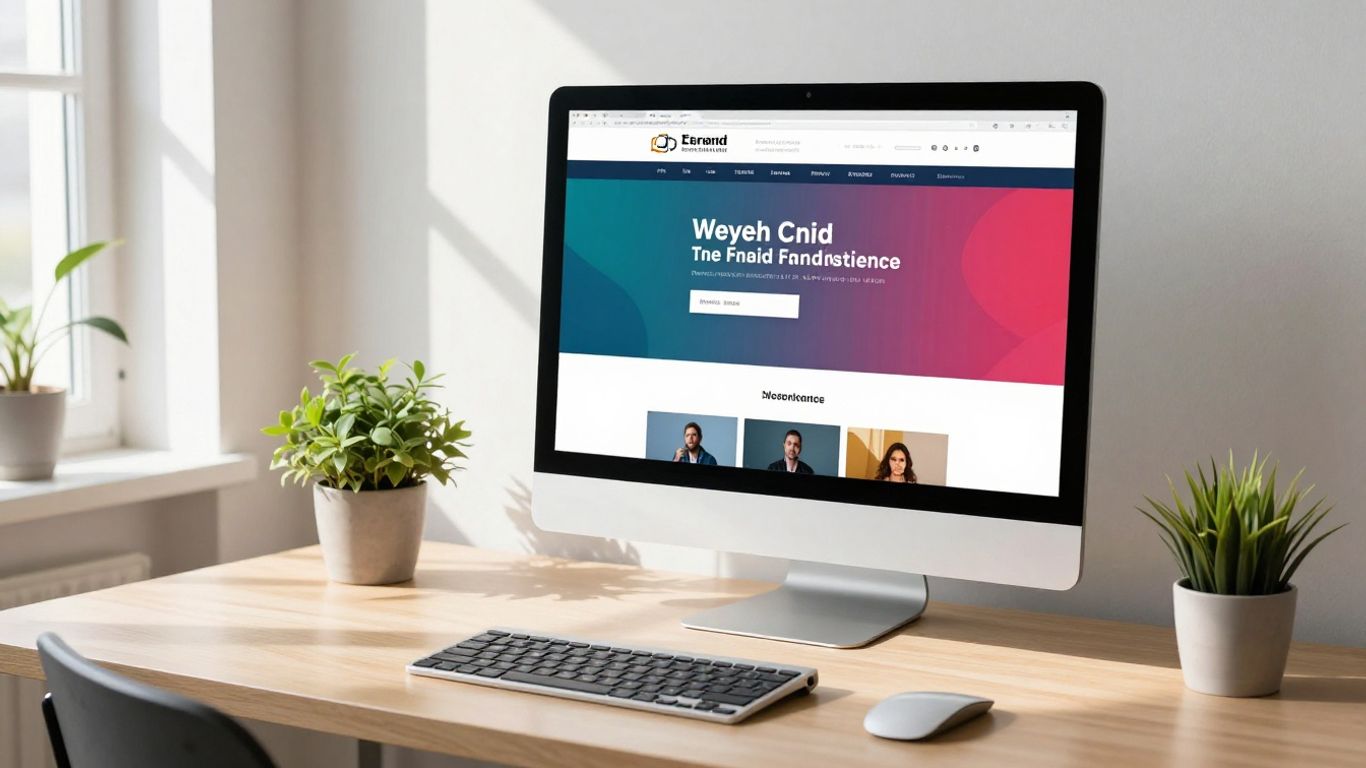
The world of web design moves pretty fast, doesn’t it? What was cutting-edge last year might feel a bit dated now. To really make a go of it in this field, you can’t just learn the basics and expect them to last forever. It’s more like a continuous learning project.
Embracing Continuous Learning
Think of it like this: you wouldn’t expect a chef to only know one recipe, right? Web design is similar. You need to keep adding to your skillset. This means staying curious and actively seeking out new information. It’s not just about new software; it’s about understanding how people use the internet and what they expect from websites.
- Read industry blogs and articles regularly.
- Take online courses or workshops on new techniques.
- Experiment with new design tools and coding practices.
For busy business owners, especially those in places like Horsham, getting a professional online presence can feel like a huge hurdle. That’s where services offering low-cost, done-for-you websites come in. They handle everything – the copy, the images, the hosting, and even local SEO – so you can get more local enquiries without touching any of the technical stuff yourself. It’s a smart way to stay competitive online without the hassle.
Adapting To New Trends
Trends aren’t just about how a website looks; they’re often driven by new technology or changes in user behaviour. For instance, the rise of mobile browsing completely changed how we approach design. Now, things like AI and accessibility are becoming bigger talking points. Keeping an eye on these shifts means your work stays relevant. You might find yourself exploring the latest web design trends and figuring out how to use them effectively.
The digital landscape is always shifting. What works today might need a tweak tomorrow. Being adaptable means you’re not caught off guard when something new comes along.
Developing Soft Skills
Beyond the technical bits, your ‘soft skills’ are just as important. This includes how you communicate with clients, how you manage your time, and how you handle feedback. Being able to explain technical concepts clearly to someone who isn’t a designer is a real skill. Good communication stops misunderstandings and makes projects run more smoothly. It’s also about being a good team player if you’re working with others, or being reliable and professional if you’re freelancing. For businesses dealing with complex data, like network telemetry for 95th percentile billing, clear communication and accurate reporting are absolutely vital to avoid revenue issues.
Want to get ahead in your web design career? It’s a fast-changing field, so keeping your skills sharp is key. Learning new tricks and staying up-to-date with the latest trends will help you stand out. For top tips and resources to boost your career, visit our website today!
Conclusion
So, there you have it. The world of web design is broad and exciting, offering plenty of chances for creative minds to shine. Whether you’re drawn to the visual side, the technical bits, or a bit of both, there’s a place for you. Keep learning, keep building, and don’t be afraid to put your work out there. The internet is waiting for what you’ll create next. It’s a journey, for sure, but one that can be incredibly rewarding for those with a passion for making things look good and work well online.
Frequently Asked Questions
What does a web designer actually do?
Basically, a web designer is like an architect for websites. They plan how a website will look, how its pages connect, and make sure it’s easy for people to find what they need. They focus on the visual part and how people use the site.
Do I need a degree to become a web designer?
Not necessarily! While a degree can help, many successful web designers are self-taught or have learned through online courses. What really matters is having a good collection of your work, called a portfolio, to show employers what you can do.
What are the most important skills for web designers?
You’ll want to be good at visual design, understanding how people use websites (user experience), and maybe some basic coding like HTML and CSS. Being able to solve problems and communicate your ideas clearly is also a big help.
What's the difference between UX and UI design?
Think of it this way: UI (User Interface) is about how something looks – the buttons, colours, and layout. UX (User Experience) is about how it feels to use – is it simple, logical, and does it solve the user’s problem? They work together.
Can I make a living as a freelance web designer?
Absolutely. Many web designers choose to work for themselves, taking on projects for different clients. It offers flexibility, but you’ll need to be good at finding work and managing your time and money.
What tools do web designers use?
Common tools include design software like Figma or Adobe XD for creating layouts and visuals. Knowing languages like HTML and CSS is also important for building the actual web pages. Sometimes, using systems like WordPress helps manage content.