
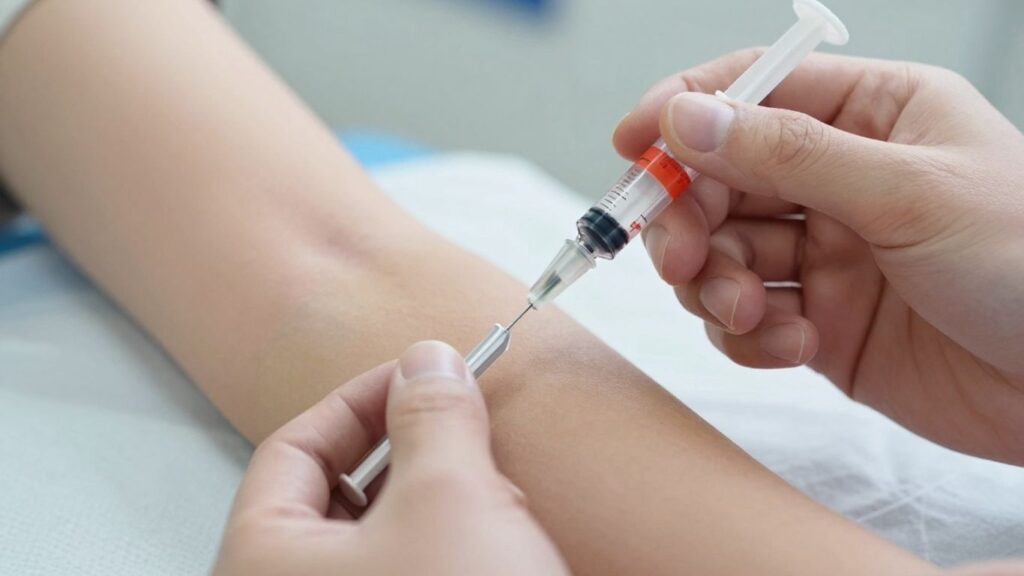
Thinking about your NHS Health Check? It’s a great way to get a snapshot of your general health, and a big part of that involves a few simple blood tests. But exactly what blood tests are done on NHS Health Check appointments? This article breaks down the key blood work you can expect, what it checks for, and what the results might mean for you. It’s all about giving you the information you need to stay on top of your wellbeing.
Key Takeaways
- An NHS Health Check includes specific blood tests to assess your risk of conditions like heart disease, stroke, diabetes, and kidney disease.
- You can expect tests for cholesterol levels, which indicate your risk of heart problems.
- Blood glucose monitoring is done to check for diabetes or pre-diabetes.
- Kidney and liver function tests provide insights into how well these vital organs are working.
- Understanding these blood test results is the first step towards making informed decisions about your health.
Understanding Your NHS Health Check
So, you’ve been invited for an NHS Health Check, or maybe you’re just curious about what it involves. It’s a really useful way to get a snapshot of your general health, and it’s offered to most adults between 40 and 74. Think of it as a bit of a tune-up for your body, helping to spot any potential issues before they become serious problems. It’s not about diagnosing specific illnesses on the spot, but more about looking at your risk factors for things like heart disease, stroke, diabetes, and kidney disease.
What Is An NHS Health Check?
Essentially, an NHS Health Check is a free appointment offered every five years to people aged 40-74 who don’t already have a pre-existing condition that would be monitored by their GP. It’s designed to give you a better idea of your current health and to identify any early signs of long-term health conditions. The check-up usually takes about 20-30 minutes and involves a few simple questions about your lifestyle, a physical measurement, and, importantly, some blood tests. It’s a proactive step towards looking after yourself, and it’s all part of the NHS’s effort to keep people healthier for longer. For local businesses, getting found online is just as important. That’s where services like Web Design in Horsham come in, offering low-cost, done-for-you websites with copy, images, hosting, and local SEO, so busy owners can get more local enquiries without any of the technical hassle.
Who Is Eligible For A Health Check?
Eligibility for the NHS Health Check is quite specific. Generally, you’ll be invited if you’re between 40 and 74 years old and haven’t been diagnosed with any of the conditions the check looks for, such as heart disease, stroke, diabetes, kidney disease, or high blood pressure. Your GP practice will usually send you an invitation. If you’re in this age bracket and haven’t received an invitation, it’s worth checking with your GP surgery to see if you’re eligible or if you need to book one yourself. It’s a great opportunity to get a baseline of your health, and the blood tests are a key part of this overall health assessment.
Preparing For Your Appointment
There isn’t a huge amount you need to do to prepare, but a little bit of forethought can make the process smoother. You might be asked not to eat or drink anything (except water) for a few hours before your blood test, so it’s a good idea to check this with the person who books your appointment. Wearing loose clothing can also be helpful, especially if you’re a bit nervous about the blood draw. Beyond that, just try to relax. Think about any questions you might have about your health or lifestyle, as this is the perfect time to ask your healthcare professional. It’s also a good idea to have a think about your general lifestyle – things like your diet, exercise habits, and whether you smoke. This information helps them give you the most accurate advice.
The NHS Health Check is a fantastic resource for understanding your current health status and identifying potential risks early on. It’s a simple yet effective way to take control of your well-being.
Key Blood Tests In An NHS Health Check
So, you’re heading for your NHS Health Check, and you’re wondering what exactly they’ll be looking for in that little vial of blood. It’s not just a random poke; the tests are designed to give a good overview of some important health markers. The main aim is to spot potential problems early, before they become serious issues.
Cholesterol Levels Explained
Your cholesterol levels are a big part of the check. They look at the ‘good’ (HDL) and ‘bad’ (LDL) cholesterol, as well as triglycerides. High levels of certain types can increase your risk of heart disease and stroke. It’s all about finding a balance. They’ll usually give you a breakdown of these figures so you can see where you stand.
Blood Glucose Monitoring
This test checks how much sugar, or glucose, is in your blood. It’s a key indicator for diabetes. If your blood sugar is consistently too high, it can damage your nerves, eyes, and kidneys over time. The NHS Health Check can help identify if you’re at risk or if you already have diabetes, which is pretty important information to have.
Kidney And Liver Function Tests
These tests give your doctor an idea of how well your kidneys and liver are working. They look at things like urea and creatinine for your kidneys, and enzymes like ALT and AST for your liver. These organs do a lot of heavy lifting for your body, filtering waste and processing nutrients, so making sure they’re in good shape is vital. Problems here can sometimes be silent until they’re quite advanced, so catching them early is a real plus. If you’re curious about what these tests look for, you can find more general information about liver function tests.
It’s worth remembering that these blood tests are just one part of the puzzle. They’re combined with other checks like blood pressure and BMI to build a complete picture of your health. For business owners who are always busy, getting this health information can feel like another task. That’s where services like Web Design in Horsham come in. They provide low‑cost, done‑for‑you websites with copy, images, hosting, and local SEO, meaning you can get more local enquiries without handling any of the technical work yourself. It frees up your time to focus on what matters, like your health and your business.
Beyond The Blood Draw: Other Health Checks
While the blood tests are a big part of your NHS Health Check, they aren’t the only things that happen. Your health check-up looks at a few different areas to get a fuller picture of your wellbeing. It’s all about spotting potential problems early, before they become serious.
Blood Pressure Readings
Your blood pressure is measured using a cuff that wraps around your arm. It’s a quick and painless process. The machine inflates the cuff, which might feel a bit tight for a moment, and then measures the pressure in your arteries. This reading tells us how hard your heart is working to pump blood around your body. High blood pressure, often called hypertension, doesn’t usually have obvious symptoms, but it can lead to serious issues like heart disease and stroke if left unchecked. That’s why monitoring your blood pressure is so important.
Body Mass Index (BMI) Assessment
Next up is your BMI. This is a way of checking if your weight is healthy for your height. The nurse or healthcare assistant will measure your height and weight. They then use these figures to calculate your BMI. It’s a simple calculation, but it gives a good indication of whether you’re underweight, a healthy weight, overweight, or obese. Being overweight or obese can increase your risk of various health conditions, including type 2 diabetes and certain cancers.
Discussions On Lifestyle Factors
This is where you get to chat about your day-to-day habits. The healthcare professional will likely ask about:
- Your diet: What you eat regularly.
- Your physical activity levels: How much you move.
- Whether you smoke.
- How much alcohol you drink.
- Your sleep patterns.
These conversations are really useful for identifying areas where small changes could make a big difference to your long-term health. It’s not about judgment; it’s about support. Sometimes, just talking things through can help you figure out what changes you want to make. For example, if you’re a busy business owner in Horsham struggling to find time for marketing, you might find that getting a done-for-you website frees up your mental energy to focus on other aspects of your life, including your health. It’s about making things easier so you can focus on what matters.
Remember, your health check is a snapshot in time. It’s a chance to get a baseline and understand where you’re at, so you can work towards feeling your best.
Interpreting Your Health Check Results
So, you’ve had your NHS Health Check and the blood has been drawn. Now comes the part where you try to make sense of what it all means. It can feel a bit like looking at a foreign language sometimes, but don’t worry, it’s not as complicated as it might seem at first glance. Understanding these results is the first step towards taking control of your health.
Understanding Your Cholesterol Figures
Your cholesterol results will likely show a few different numbers. You’ll see your total cholesterol, but also figures for HDL (the ‘good’ cholesterol) and LDL (the ‘bad’ cholesterol). It’s not just about the total amount; the balance between these is really important. High LDL can contribute to fatty deposits in your arteries, which isn’t ideal. Your healthcare professional will explain what your specific numbers mean in relation to your personal health risks. They might look something like this:
| Cholesterol Type | Your Result (mmol/L) | Ideal Range (mmol/L) |
|---|---|---|
| Total Cholesterol | 5.2 | Below 5.0 |
| HDL (Good) | 1.1 | Above 1.0 |
| LDL (Bad) | 3.5 | Below 3.0 |
What Your Blood Sugar Means
The blood glucose test tells you about the sugar levels in your blood. This is a key indicator for diabetes or pre-diabetes. A fasting blood glucose test is common, meaning you haven’t eaten for a certain period beforehand. If your levels are consistently high, it suggests your body isn’t managing sugar effectively. This is where understanding your cholesterol levels explained can also be helpful, as these markers often go hand-in-hand.
- Normal: Generally below 7.0 mmol/L (if fasting).
- Pre-diabetes: Often between 7.0 and 9.9 mmol/L (if fasting).
- Diabetes: Usually 11.1 mmol/L or higher (if fasting).
Next Steps Based On Your Results
Once you have your results, the conversation with your healthcare professional is key. They’ll put the numbers into context for you. It’s not just about the figures themselves, but what they suggest about your future health. They might suggest:
- Making some changes to your diet.
- Increasing your physical activity.
- Further tests or a follow-up appointment.
It’s easy to get bogged down in the numbers, but remember they are just a snapshot. They are there to guide you and help you make informed decisions about your well-being. Think of them as signposts, not final destinations.
For local businesses in Horsham looking to get their message out without the technical hassle, services like Web Design in Horsham offer done-for-you websites. They handle everything from copy and images to hosting and local SEO, meaning you can attract more local customers without touching any of the tech yourself. It’s a straightforward way to boost your online presence and get more local enquiries.
Making Sense Of Your Blood Test Data
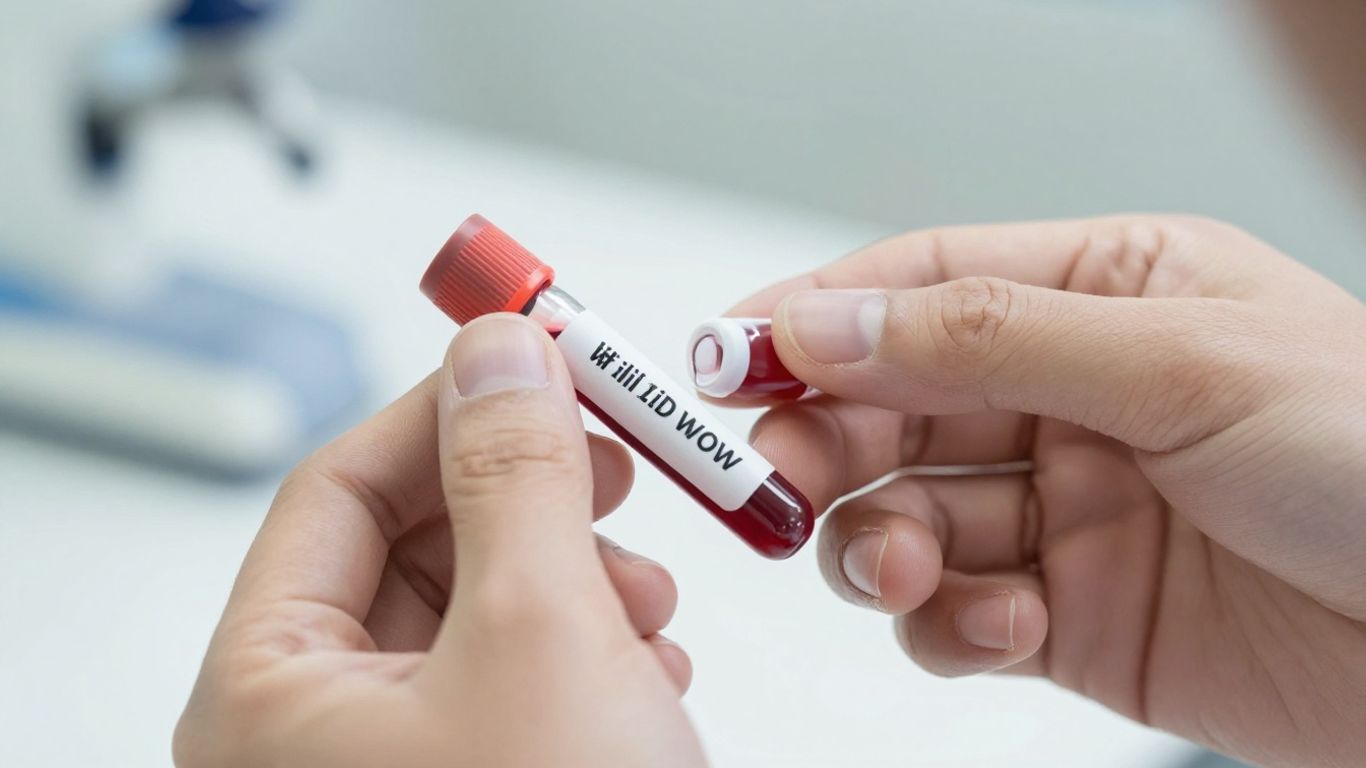
So, you’ve had your blood drawn for the NHS Health Check. Now what? It’s easy to get a bit lost in the numbers, but understanding what they mean is the first step to taking charge of your health. Think of these results not as a final verdict, but as a snapshot of where you are right now.
Normal Ranges For Key Markers
Your blood test results will usually come with a set of ‘normal’ or ‘reference’ ranges. These are the figures that most healthy people fall within. It’s important to remember that these are just guidelines. What’s normal for one person might be slightly different for another, depending on age, sex, and other factors. Your GP or the healthcare professional who gave you the check will interpret these in the context of your personal health history.
Here’s a simplified look at some common markers:
| Test | Typical Normal Range (Example) | What It Indicates |
|---|---|---|
| Cholesterol | Below 5.0 mmol/L (Total) | Heart health, risk of cardiovascular disease |
| Blood Glucose | 4.0 – 5.4 mmol/L (Fasting) | Diabetes risk, how your body uses sugar |
| eGFR | > 90 mL/min/1.73m² | Kidney function, how well your kidneys filter blood |
Please note: These are example ranges and can vary. Always refer to your specific results and discuss them with a healthcare professional.
Identifying Potential Health Risks
Deviations from the normal ranges can signal potential health issues. For instance, high cholesterol levels might suggest an increased risk of heart disease. Similarly, consistently high blood sugar could point towards pre-diabetes or diabetes. Your NHS Health Check is designed to spot these things early, often before you even feel any symptoms. This early detection is a big deal because it gives you the best chance to make changes and prevent serious problems down the line. It’s all about being proactive.
The information from your blood tests is a powerful tool. It helps paint a clearer picture of your internal health, guiding you and your doctor towards the most effective health strategies for you.
The Importance Of Regular Checks
Having one health check is great, but making them a regular part of your life is where the real benefits lie. Your body changes over time, and so do your health markers. Regular checks allow you to track these changes, see how any lifestyle adjustments are working, and catch any new concerns early. It’s like keeping an eye on your car’s MOT – you want to catch small issues before they become big, expensive ones. For busy business owners in Horsham, keeping on top of health can feel like another task. That’s where services like Web Design in Horsham can help by taking technical tasks off your plate, freeing up your time and mental energy. This allows you to focus on what matters, including your well-being and getting more local enquiries through a professionally managed online presence.
Actioning Your Health Check Outcomes
So, you’ve had your NHS Health Check, and you’ve got your results. What happens next? It’s not just about knowing the numbers; it’s about what you do with that information. Think of it as a friendly nudge from your body, giving you a heads-up on where you’re doing well and where a few tweaks might make a big difference.
Lifestyle Changes For Better Health
This is where the real work, and the real benefits, begin. Your health check might have highlighted areas like your cholesterol or blood sugar levels, or perhaps your blood pressure was a bit higher than ideal. The good news is, making changes to your daily habits can have a significant impact. Here are some common areas to focus on:
- Diet: Swapping out processed foods for fresh fruits, vegetables, and lean proteins can lower cholesterol and help manage blood sugar. It doesn’t mean giving up everything you love, just finding a better balance.
- Physical Activity: Aim for at least 150 minutes of moderate-intensity exercise a week. This could be brisk walking, cycling, swimming, or even dancing. Find something you enjoy, and it won’t feel like a chore.
- Smoking: If you smoke, quitting is one of the best things you can do for your long-term health. There’s lots of support available to help you stop.
- Alcohol: Being mindful of your alcohol intake is important. Sticking to recommended guidelines can help reduce risks associated with excessive drinking.
Making these changes can feel daunting, but remember, it’s about progress, not perfection. Small, consistent steps add up over time. If you’re a busy business owner in Horsham struggling to find the time to even think about your website, let alone manage it, consider how a done-for-you service could help. Companies offering low-cost, complete web design packages, including copy, images, hosting, and local SEO, can free up your time and help you get more local enquiries without any technical hassle.
When To See Your GP
Your health check is a screening tool, not a diagnosis. If your results show anything that needs further investigation, your healthcare professional will discuss this with you. They might suggest a follow-up appointment or refer you to your GP. Don’t hesitate to book an appointment with your GP if you have any concerns at all. They are there to help you understand your results in the context of your overall health and medical history.
It’s always a good idea to keep a record of your health check results. This way, you can track any changes over time and have a clear picture of your health journey. It also makes it easier to discuss your progress with your doctor.
Utilising Your Health Check Information
Think of your health check as a starting point. The information you receive is a powerful tool for taking control of your well-being. Whether it’s about managing a long-term condition or simply aiming for a healthier lifestyle, your results provide a clear roadmap. The NHS Health Check programme itself has seen a good uptake, with over half of those offered a check participating, showing that people are keen to understand their health [b8c9].
Remember, this check is a snapshot in time. Regular checks, as recommended by your GP or the NHS guidelines, are key to monitoring your health effectively. The evidence shows the programme is being reviewed and updated to assess its impact [bb49], so staying engaged with these checks is beneficial.
Once you’ve got your health check results, it’s time to make them work for you. Don’t let all that useful information just sit there! Take the next step and turn your findings into real improvements. Ready to see how we can help you make the most of your health check? Visit our website today to learn more.
So, What's the Takeaway?
Right then, that’s a quick look at the blood tests involved in an NHS Health Check. It’s not about digging for problems, really, but more about getting a clear picture of your health right now. Knowing these numbers can help you and your doctor make sensible choices about staying well. If you’re invited, it’s definitely worth going – it’s a simple step that could make a big difference down the line. Don’t overthink it, just see it as a useful check-in.
Frequently Asked Questions
What exactly happens during an NHS Health Check?
An NHS Health Check is a free check-up for adults aged 40-74. It looks at your general health and helps spot early signs of conditions like heart disease, stroke, diabetes, and kidney disease. It involves a chat with a healthcare professional, a blood pressure check, and sometimes a blood test to measure things like your cholesterol and blood sugar levels. They’ll also ask about your lifestyle to see how you can stay healthy.
Why do they take blood for an NHS Health Check?
The blood test is a really important part of the check. It helps the healthcare professional understand how well your body is working. They look at things like your cholesterol, which is a fatty substance in your blood that can cause problems if there’s too much, and your blood glucose (sugar) level, to check for diabetes. It gives a clear picture of your risk for certain health issues.
What will the blood test check for?
Primarily, the blood test checks your cholesterol levels and your blood glucose (sugar) levels. High cholesterol can lead to heart problems, and high blood sugar can be a sign of diabetes. They might also check your kidney and liver function, which tells them how well these vital organs are doing their job of cleaning your body.
How do I know if my blood test results are normal?
The healthcare professional will explain your results to you. They’ll compare your numbers to what’s considered a healthy range. Don’t worry too much if a number is a bit outside the usual range; it doesn’t always mean something is seriously wrong. They’ll discuss what your specific results mean for you and if any action is needed.
What if my results show I'm at risk for something?
If your results suggest you’re at higher risk for certain conditions, the healthcare professional will talk you through it. They might suggest making some changes to your diet, exercising more, or quitting smoking. Sometimes, they might recommend further tests or a follow-up appointment with your GP. It’s all about helping you stay on top of your health.
How often should I have an NHS Health Check?
Generally, you’re eligible for a free NHS Health Check every five years if you’re between 40 and 74 years old and don’t already have a condition that’s regularly monitored by your doctor. It’s a good idea to take up the offer when you receive an invitation, as it’s a chance to catch potential health problems early.